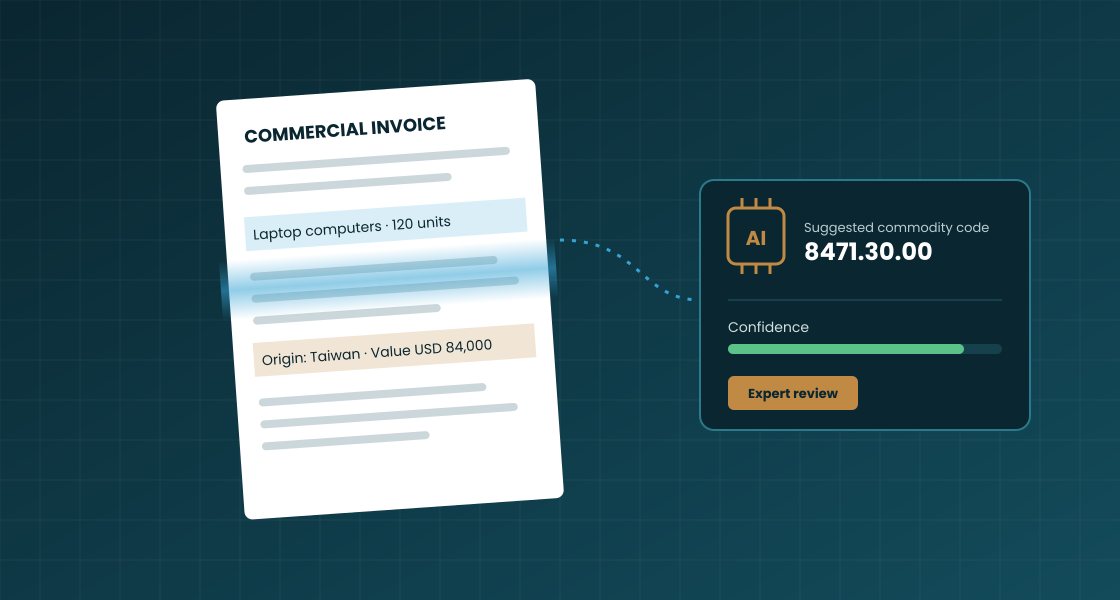

Customs technology has moved quickly. Tools that read commercial documents, suggest commodity codes, validate data and draft declarations are now part of everyday operations for many brokers and importers. Naturally, people are asking what this means for customs careers. It is also changing customs technology hiring and the wider customs hiring market.
Automation of repetitive tasks
The work most affected is repetitive data entry and checking. Where declarations follow predictable patterns, AI can take on much of the first draft. That frees experienced teams to focus on exceptions, complex shipments, compliance risk and customer relationships.
Expertise matters more, not less
AI is only as good as the data and rules behind it. Someone still needs to know when a suggested classification is wrong, when a valuation needs adjusting or when a procedure has changed. Customs knowledge becomes the quality control layer, and that makes experienced professionals more valuable.
New roles are emerging
We are seeing growing demand for people who sit between customs and technology: implementation consultants, customs product specialists, solutions architects and commercial leaders at customs software and AI businesses. Candidates who combine operational customs experience with comfort around data and systems are in particularly short supply.
For customs professionals, the message is positive. Learning how these tools work, and where they fall short, is one of the best investments you can make in your career.
Customs technology hiring
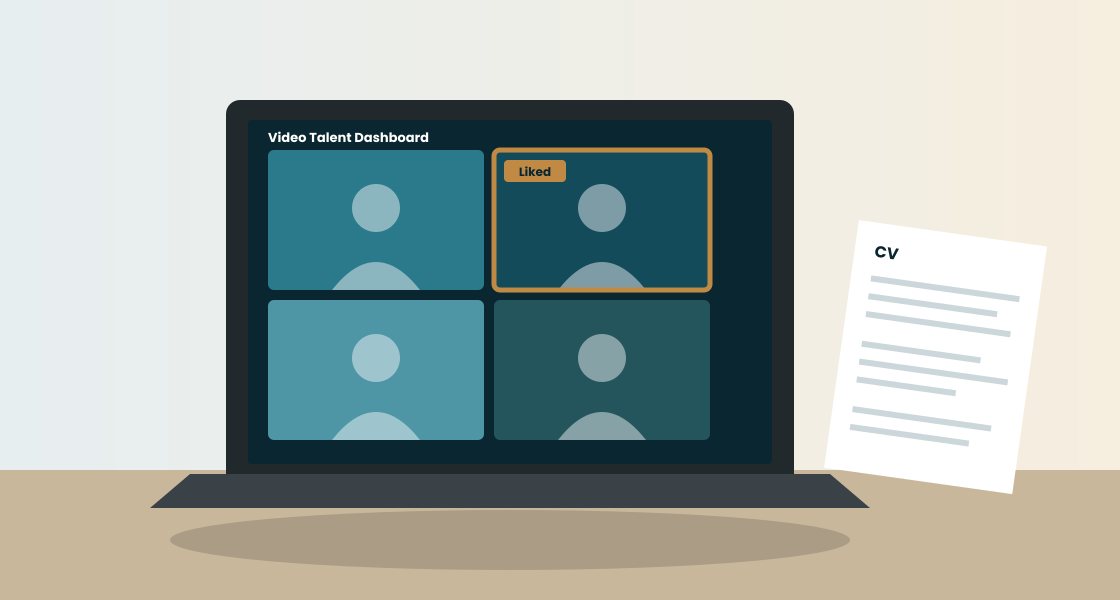
Customs technology hiring now spans commercial, product and implementation roles. We recruit for customs software and AI businesses that need people who understand both the technology and the customs rules behind it. Customs AI recruitment is one of the fastest-moving areas of global trade hiring we see.
Read more about our Customs Technology & AI recruitment.