
Since the national permit arrived, more US brokerages and importers have asked us the same question: can a Licensed Customs Broker or Entry Writer really work remotely? The short answer is yes, and many already do. But it only works when the firm puts the right structure around it. It is now one of the most common questions in customs broker hiring.
What changed: the national permit
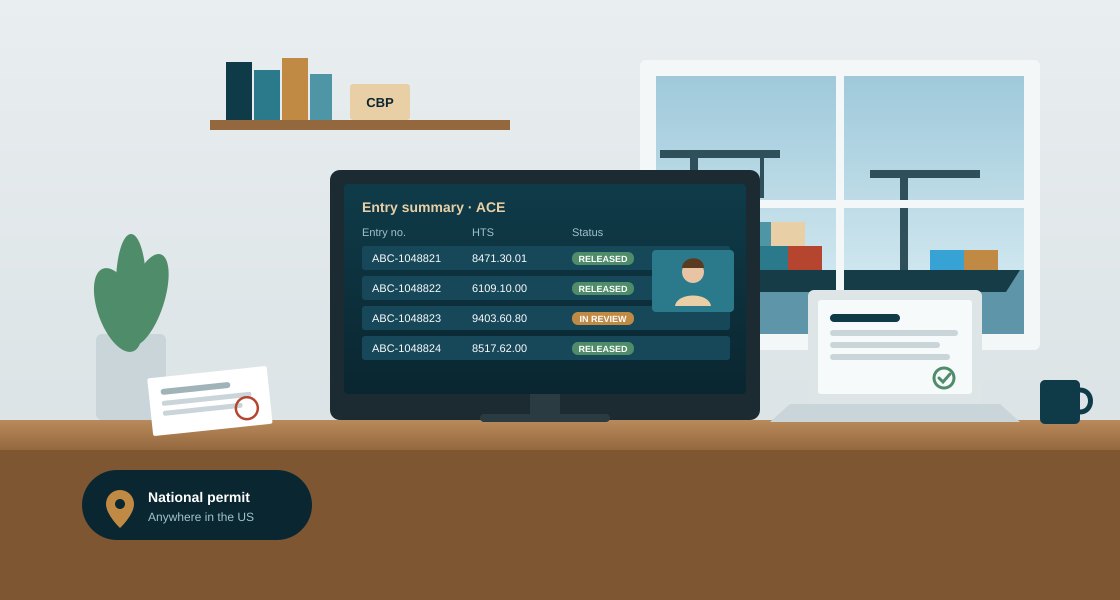
In December 2022, CBP's modernised broker regulations replaced district permits with a single national permit, allowing brokers to carry out customs business anywhere in the US customs territory. Being close to a particular port is no longer a requirement, which opened the door to remote and hybrid teams.
There is one important boundary. Customs business must still be conducted within the customs territory of the United States, so for brokerage work remote means remote within the US, not offshore.
What employers worry about
- Supervision: the licence holder is accountable for work done by people they can't see
- Data security: client data and entry records being handled on home networks
- Accuracy: classification, valuation and entry errors going unnoticed
- Responsiveness: holds, exams and urgent client queries needing quick action
- Training: junior entry writers learning less without experienced people nearby
- Culture: remote staff feeling disconnected from the team
Every one of these concerns is valid. None of them is a reason to rule remote work out, but each needs a deliberate answer.
Supervision is the real test
Responsible supervision and control sits at the heart of the broker regulations. The 2022 rules increased the factors CBP may consider from 10 to 13, and brokers applying for a national permit must now submit a supervision plan showing how they will oversee their customs business. For a distributed team, that plan needs to describe exactly how work is reviewed, approved, escalated and audited when people are not in the same room.
How firms make remote work
- A written supervision plan designed around a distributed team, not adapted from an office one
- Secure, central systems: cloud-based entry software, VPN, multi-factor authentication and no local storage of client files
- Quality controls: a second review for high-risk entries and regular sample audits
- Clear service levels: response times, shared inboxes and a coverage rota for holds and exams
- Structured onboarding: in-person time for new starters and named mentors for junior staff
- Tracked continuing education, with credits monitored centrally
- Regular team contact: weekly calls, shared updates and time together in person
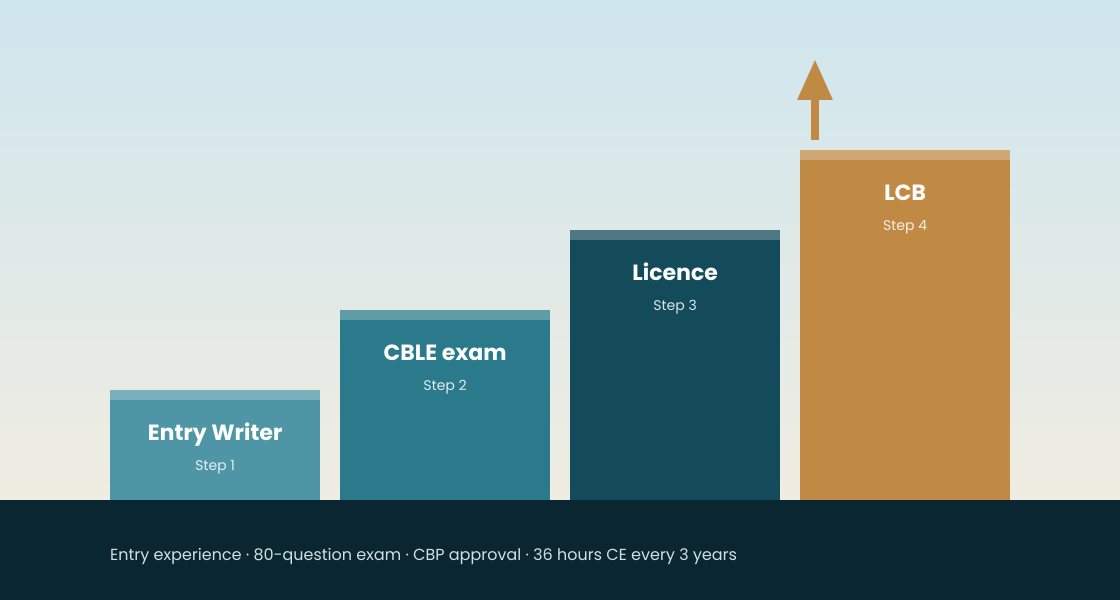
Continuing education matters here too. Every individually licensed broker must complete 20 continuing education credits by 31 January 2027, so firms with remote brokers need a clear way to track progress across the team.
Where remote works best, and where it does not
Remote and hybrid working suits experienced Licensed Customs Brokers, high-volume electronic entry filing, classification and compliance specialists, and post-entry and reconciliation work. It is harder for roles that depend on physical presence, such as coordinating cargo exams at the port, and for training brand-new entry writers, where time alongside experienced colleagues speeds up learning. Many firms settle on a hybrid model: remote for experienced staff, office or port-based for new starters and operational roles.
What this means for hiring
The national permit means you can hire the best person for the role, not just the nearest one. That widens a talent pool that has always been tight, especially for experienced Licensed Customs Brokers. It also changes what you should assess at interview: ask how candidates document their work, how they have been supervised remotely before, and how they protect client data. Video Shortlisting helps here, letting you see how a candidate communicates before the first interview, which is exactly the skill remote work depends on.
Remote working and customs broker hiring
Remote and hybrid working is changing customs broker hiring and customs entry writer hiring across the US. We help brokerages and importers find Licensed Customs Brokers and entry writers who are ready to work remotely.
Read more about our Customs Operations, Clearance & Brokerage.