
The UK Carbon Border Adjustment Mechanism (UK CBAM) comes into force on 1 January 2027. For importers of carbon-intensive goods, it is one of the most significant new compliance obligations since Brexit, and with only weeks to go, many businesses are still working out who in their organisation will own it. It is also creating a surge in global trade hiring and trade compliance hiring.
What is UK CBAM?
UK CBAM places a carbon cost on certain emissions-intensive goods imported into the UK. The initial scope covers aluminium, cement, fertilisers, hydrogen, and iron and steel. Crucially, whether a product is in scope depends on its commodity code, so accurate classification is the starting point for every importer.
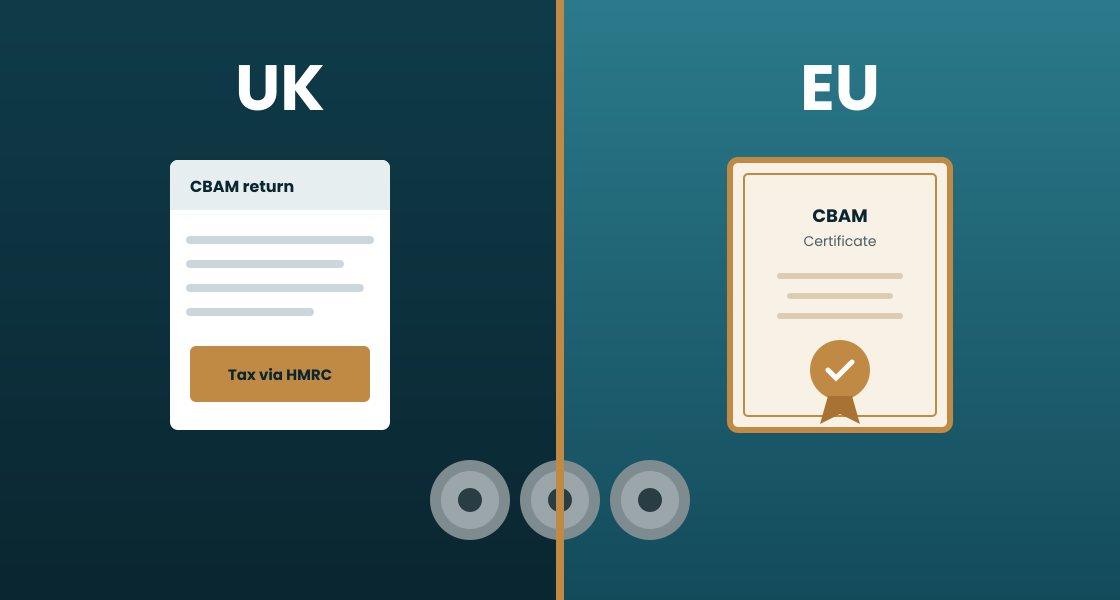
The obligation sits with the importer. Importers of in-scope goods will need to register with HMRC, calculate and report the embedded emissions of their goods using verified data or government-published default values, and pay a CBAM charge through tax returns. Where a carbon price has already been paid in the country of production, importers may be able to claim relief, provided they have the evidence to support it.
Why it's harder than it looks
Understanding the legislation is only part of the challenge. The real work for most importers is obtaining reliable emissions data from overseas suppliers, many of whom have never been asked for it before. That data then needs to be verified, matched to the right commodity codes and reported accurately to HMRC.
CBAM sits across several teams that do not always work closely together: customs and trade compliance, procurement, sustainability, finance and tax. Without a clear owner, it is easy for responsibilities to fall between the gaps.
The skills businesses need
The ideal CBAM lead combines three things that are rarely found together: customs knowledge, particularly classification and origin; an understanding of emissions data and verification; and the ability to work with suppliers and internal stakeholders to get processes running smoothly.
We are seeing growing demand for:
- CBAM and carbon compliance specialists who can set up reporting processes and supplier data collection
- Trade compliance managers who can absorb CBAM alongside existing customs responsibilities
- Indirect tax professionals familiar with HMRC returns and disclosure rules
- Product and commercial leaders for the software platforms that help importers automate emissions data collection and reporting
Permanent, interim or upskill?
Many businesses are taking a blended approach. An interim CBAM specialist can design the process, train the team and get the first returns filed, while a permanent hire is made or an existing team member is developed into the role. For larger importers with significant exposure, a dedicated permanent CBAM or carbon compliance lead is quickly becoming essential.
Our advice for the next few weeks
Confirm which of your products fall within scope by commodity code. Identify who will own CBAM registration, data and returns. Start conversations with suppliers about emissions data now, not in January. And if you need specialist support, start the search early. Experienced CBAM professionals are in short supply, and every in-scope importer in the country is looking for the same people.
Global trade hiring for UK CBAM
Global trade hiring for CBAM is competitive, with every in-scope importer looking for the same small pool of specialists. We can help with permanent, interim and specialist trade compliance hiring. CBAM hiring is moving fast, and UK CBAM recruitment for experienced specialists is already competitive.
Read more about our Global Trade Compliance recruitment.