
The new UK–EU Sanitary and Phytosanitary (SPS) agreement is one of the most significant changes to UK–EU trade since Brexit. A draft agreement has been reached, with the new arrangements expected to come in during early 2028. Unsurprisingly, we are already being asked what it means for customs teams and the people who work in them. For customs hiring, including customs entry clerk hiring and customs broker hiring, the details matter.
What is changing?
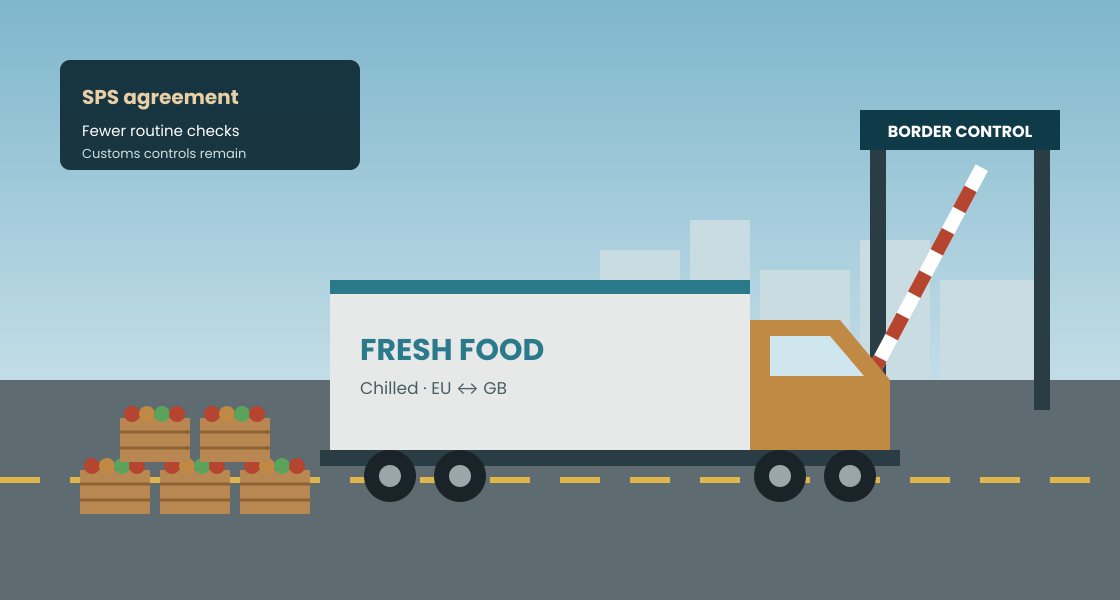
The agreement will create a shared SPS zone between the UK and the EU. Dairy, fish, eggs, meat, plants and plant products will no longer need routine SPS border checks when entering Great Britain from the EU, or Northern Ireland from Great Britain. Export Health Certificates, which can cost businesses up to £200 per consignment, will no longer be required for this trade.
For agri-food businesses, hauliers and logistics providers, that means less paperwork, fewer delays at border control posts and more predictable supply chains, particularly for chilled and fresh goods where timing is critical.
What is not changing
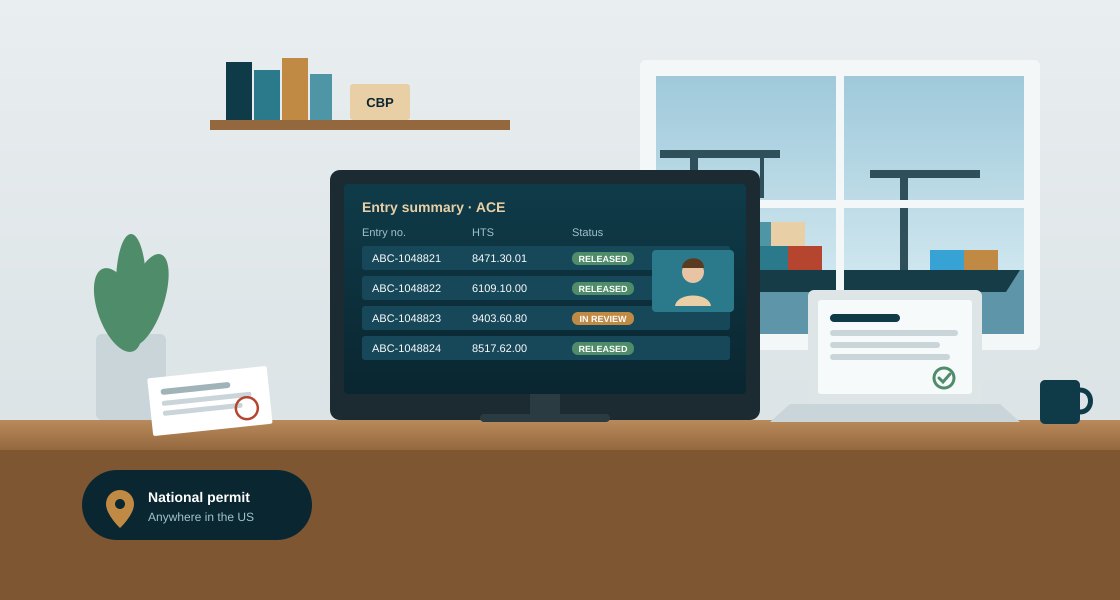
It is important to be clear: the SPS agreement is not a customs agreement. Customs controls will remain. Goods moving between Great Britain and the EU will still need customs declarations, correct commodity codes, origin evidence and duty calculations. The work of Customs Entry Clerks, Declarants and brokers continues.
Some SPS checks also remain, for example on live animals and germinal products, and routine inspections continue for imports from non-EU countries. Logistics firms will still need to make sure their customers use compliant suppliers and keep the right documentation, as compliance failures could still trigger checks.
Where the work shifts
Rather than disappearing, some roles will evolve. Teams focused on SPS certification and border control post processes are likely to see change, while demand grows for professionals who understand the new dynamic alignment with EU rules, compliance away from the border, and how to keep supply chains audit-ready.
For customs brokers and forwarders, the deal could free capacity from SPS paperwork to focus on customs compliance, advisory services and growing volumes of UK–EU trade.
Our view on the talent market
We do not expect the SPS agreement to reduce demand for experienced customs professionals. If anything, smoother agri-food trade could increase volumes, and the transition period itself will need people who understand both the old and new rules.
Customs professionals with SPS knowledge should see this as an opportunity to broaden their expertise into wider trade compliance. Employers should look for candidates who can adapt to regulatory change, because in UK–EU trade, change is the only constant.
Customs hiring after the SPS agreement
Customs entry clerk hiring and customs broker hiring will remain essential for UK–EU trade. We help brokers, forwarders and importers find experienced customs professionals as the rules change. It is part of a wider picture of global trade hiring as UK–EU trade evolves.
Read more about our Customs recruitment.